2 products
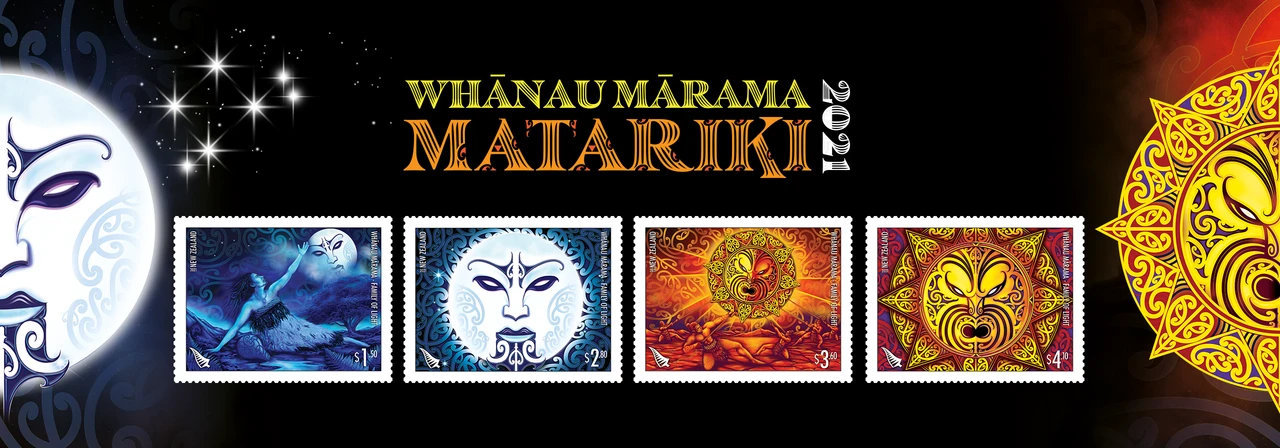
Tamanuiterā (the Sun) and Marama (the Moon) together with Ngā Whetū Matariki (the Pleiades Star Cluster) make up the family of heavenly bodies known as Te Whānau Mārama (the Family of Light).
Knowledge of the relationship between Ngā Whetū Matariki, Tamanuiterā and Marama has been handed down over time through wānanga (schools of learning) and pūrakau (folk stories) of Māori, the indigenous peoples of Aotearoa New Zealand. Knowledge of the rising and positioning of Tamanuiterā and the phases of the Marama, together with the positioning and movement of ngā Whetū is known as Tātai Arorangi and was retained by tohunga kokorangi and tohunga tātai arorangi (astromonical experts).
One of the names for Marama is ‘the eye of the night’. The bright face of Marama and its lunar phases (maramataka) help Māori to interact with the stars of Matariki. One story tells of Rona, who stumbles in the dark after Marama (the Moon) passes behind a cloud. When Rona abused Marama and after she refused to stop, she was captured and taken to reside with Marama forever.
Tamanuiterā has two wives, Hineraumati (summer) and Hinetakurua (winter). The pathway that Tamanuiterā follows in summer is different to that which he traces during winter. This means the Matariki star cluster is positioned differently during each season. The Sun is also referenced in the legends of, Māui who slowed the journey of Tamanuiterā across the sky. Each day Tamanuiterā sped across the heavens leaving no time for work to be completed. Using his grandmother’s jawbone, Maui harnessed the Sun to create the pattern of sunrise and sunset we experience today.
Take a look at our commemorative coins also available for this issue. Click here.
Date of issue: 2 June 2021