1 products
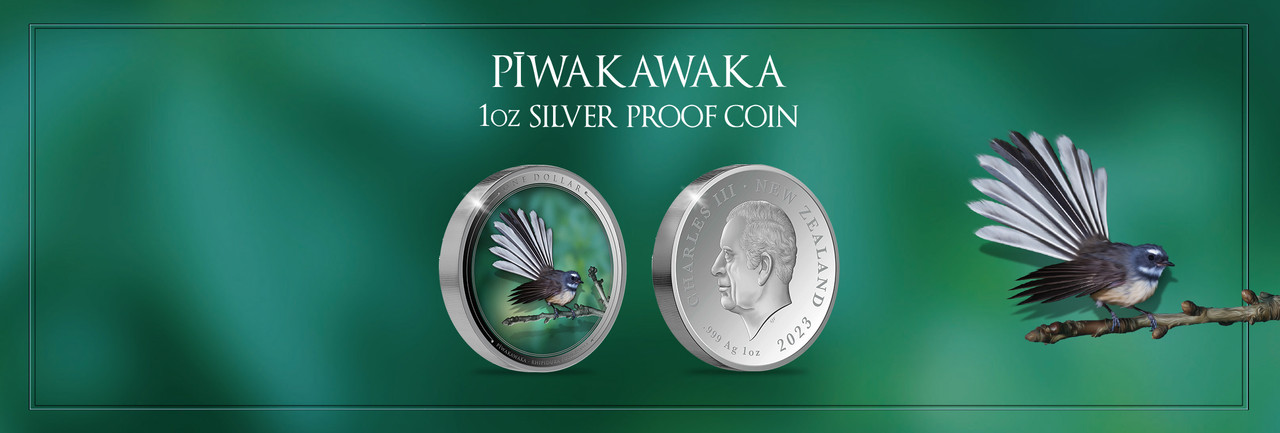
The pīwakawaka is fantail species found only in Aotearoa New Zealand. Its distinctive ‘cheet cheet’ call is a common feature of forests and backyards all over the country.
Pīwakawaka have two colour morphs: pied and black. The pied pīwakawaka is the more common and more widely distributed form. Both use their tails to flit around with agility as they hunt for insects. They are known to use three methods to catch their prey: hawking, when they spot swarms from afar and catch a few at once; flushing, when they fly around to disturb insects; and feeding associations, when they follow other animals (including people) to catch the insects disturbed by their movements.
The pīwakawaka (known by 20 or 30 other names) also has an important place in Māori mythology: it is said be responsible for the presence of death in the world. The demigod Māui, believing he could give mankind everlasting life by entering the goddess of death through the pathway of birth, was thwarted when the pīwakawaka woke. The goddess, Hine-nui-te-pō, was so angry with Māui that she ended his life by crushing him between her legs. Although not to be feared, it can be interpreted as a sign of a death to come.